
Thinking about mobile SEO might seem like a universal concept, but tailoring strategies to fit Hong Kong's unique market is key. To thrive in this competitive landscape, focusing on local search and creating content specifically for Hong Kong audiences is crucial.
Make sure to incorporate local keywords, optimize your site for fast loading speed, and ensure easy navigation for users. Listing your business on Google My Business and leveraging Google Search Console for insights are also essential steps. Enhancing title tags with local keywords and cultivating niche-specific backlinks can give you a competitive advantage.
Want more practical tips to elevate your mobile SEO game?
Key Takeaways
- When optimizing your website for mobile search in Hong Kong, make sure to include specific keywords and phrases relevant to the local market.
- Enhance the user experience on mobile devices by using responsive design, which also helps improve your search engine rankings.
- Speed up your mobile site by reducing image sizes through compression techniques.
- Increase your online visibility by listing your business on Google My Business and local directories.
- Boost click-through rates and visibility in search results by implementing structured data markup on your website.
Responsive Design
In today's digital world, having a website that adapts effortlessly to different screen sizes is crucial. Responsive design is a game-changer when it comes to enhancing user experience and boosting mobile SEO performance. With over half of global internet traffic coming from mobile devices, it's clear that being mobile-friendly is no longer just a choice—it's a must.
Responsive design plays a significant role in how visitors engage with your site. It eliminates the hassle of zooming in, scrolling horizontally, or dealing with distorted content. By offering a seamless and intuitive user experience, you not only keep users interested but also lower bounce rates. Google reports that more than half of mobile users will bounce from a site that takes longer than three seconds to load. By ensuring your site is responsive, you prevent users from leaving due to navigation issues.
From an SEO standpoint, Google values mobile-friendly sites, ranking them higher in search results. Failing to optimize for mobile can result in penalties and lower search rankings. Additionally, responsive design has a direct impact on user engagement metrics like session duration and page views per visit, which ultimately affect your overall SEO performance.
A well-executed responsive design keeps users on your site longer, encourages them to explore more pages, and increases the likelihood of conversions.
Site Speed Optimization
Want to speed up your mobile site? Start by cutting down on image sizes and turning on browser caching. Shrinking image files can help your site load faster, which is key since over half of users bounce from sluggish sites.
Browser caching is another game-changer, with the potential to ensure that 70% of your pages load in under 5 seconds. This not only boosts your site's performance but also improves your search engine rankings and conversion rates.
Minimize Image Sizes
Reducing image sizes is crucial for speeding up your mobile site, as large images can significantly slow down loading times and harm user experience. Compressing image file sizes can greatly enhance mobile site loading times, which is vital for keeping users engaged and improving SEO rankings. Google places a high priority on site speed, and slow-loading sites often experience higher bounce rates and lower conversions.
To effectively reduce image sizes, you can utilize image optimization tools like TinyPNG and ImageOptim. These tools compress images without compromising quality, ensuring your site looks great while loading faster. Aim to shrink image file sizes to under 100KB whenever feasible for optimal performance. This strategy can decrease server load and boost your mobile site's overall efficiency.
Furthermore, consider the specific dimensions needed for mobile devices. Resizing images to fit mobile screens not only saves bandwidth but also enhances user experience by minimizing unnecessary scrolling and zooming.
Implementing these image optimization tactics can lead to quicker load times, increased user engagement, and improved SEO outcomes, ultimately driving more traffic and conversions to your site.
Enable Browser Caching
Once you've optimized your image sizes to boost load times, enabling browser caching takes your site speed to the next level by storing frequently accessed data on users' devices. This clever technique cuts down loading times by keeping static resources like CSS, JavaScript, and images locally, eliminating the need for the browser to re-download them on return visits.
Implementing browser caching strategically can work wonders for site speed, a critical factor in mobile SEO rankings. Speeding up page load times not only improves user experience but also reduces bounce rates, keeping visitors engaged for longer. Research indicates that even a one-second delay in mobile load times can slash conversion rates by up to 20%.
To activate browser caching effectively, it's crucial to set expiration dates for different file types. For example, images and media files can have lengthier cache durations compared to HTML files, which tend to change more frequently. This approach optimizes server response time, ensuring your site runs smoothly.
In the highly competitive Hong Kong market, mobile SEO optimization is a game-changer. By harnessing the power of browser caching, you can achieve speedier load times, enhanced user retention, and a boost in search engine rankings, ultimately driving more traffic and conversions to your site.
Mobile-Friendly Content
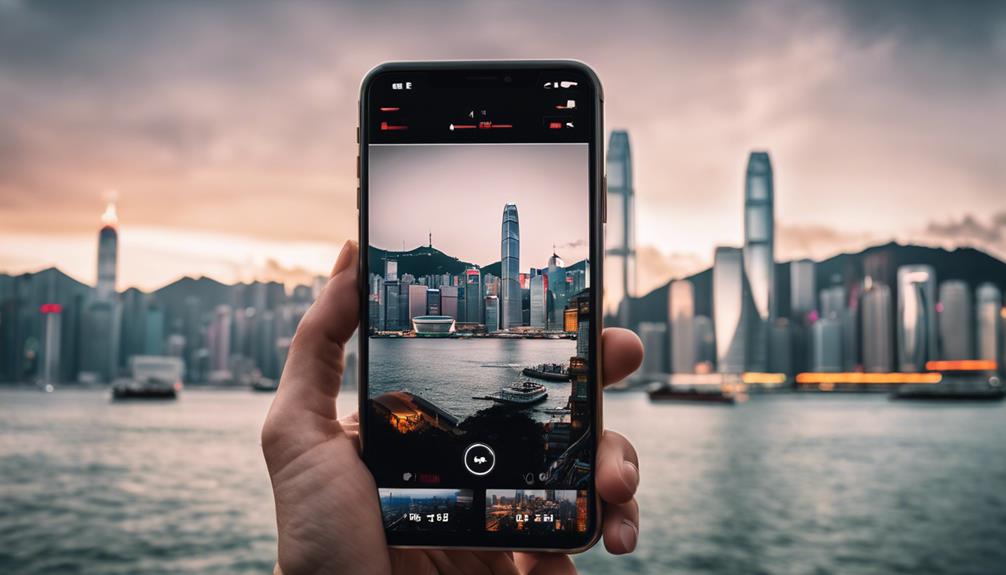
When it comes to making your content mobile-friendly, the key is to focus on a few key elements: optimizing page load speed, using responsive design, and prioritizing local search.
High-quality images that adjust in size dynamically can help improve readability without sacrificing speed. And don't forget about the importance of clean visuals and plenty of white space to ensure a seamless user experience for your mobile visitors.
Optimize Page Load Speed
When it comes to optimizing your page load speed, it's crucial for mobile SEO success. Did you know that more than half of mobile users will bounce from a site if it takes longer than 3 seconds to load? That's why it's essential to fine-tune every aspect of your site for speed.
One key area to focus on is image compression – large image files can slow down load times significantly, with visuals taking up to 7 seconds to appear. Tools like TinyPNG can help you compress images without compromising quality.
Another important step is to leverage browser caching and streamline your site's code. By minifying CSS, JavaScript, and HTML, you can eliminate unnecessary characters and reduce file sizes, resulting in faster load times. Google's PageSpeed Insights tool is a valuable resource for assessing your site's performance and pinpointing areas for improvement.
Keep in mind that Google gives preference to mobile-friendly sites with fast load speeds, which can directly impact your search rankings. Consider implementing Accelerated Mobile Pages (AMP) to further enhance loading times and provide a smoother user experience.
Lastly, don't overlook your server response times. A sluggish server can hinder your site's performance, so upgrading your hosting plan may be necessary.
Use Responsive Design
When it comes to designing your website, going responsive is a game-changer. Picture this: your site automatically adjusts to fit any screen size, providing a seamless experience for all users. This not only enhances user satisfaction but also gives your mobile SEO rankings a significant boost. In a tech-savvy place like Hong Kong where mobile internet usage is soaring, having a mobile-friendly design is no longer a luxury—it's a necessity.
Google loves responsive sites and rewards them with higher visibility in search results. So, if you want to up your game in the online world, responsive design is the way to go. Research shows that a whopping 57% of internet users won't recommend a business if its mobile site is poorly designed. That's a clear indicator of how crucial it's to cater to mobile users with a smooth and engaging website experience.
With responsive design, your site not only looks great but also functions flawlessly on all devices, be it a smartphone or a tablet. This is key because mobile users demand easy navigation and quick loading times. By meeting these expectations, you can reduce bounce rates and boost user engagement. And guess what? A user-friendly site often leads to higher conversion rates because visitors are more likely to stick around and interact with a site that's a breeze to use.
In a nutshell, embracing responsive design is a strategic move to enhance your mobile SEO and cater to the mobile-first audience of today. So, if you want to stay ahead of the curve and make a lasting impression on your visitors, responsive design is the way to go.
Prioritize Local Search
Local search is crucial for mobile users in Hong Kong, as 76% rely on their smartphones for local information. To grab the attention of these users, it's vital to prioritize local SEO in your mobile optimization strategy. Kick things off by crafting content tailored to Hong Kong audiences. Incorporate local keywords and phrases that resonate with your target market.
Make sure to get your business listed on Google My Business. This will simplify the process for Hong Kong consumers to discover you, especially since 88% of local mobile searches lead to a visit or contact with the business within 24 hours. Ensure your Google My Business profile is complete with accurate details, top-notch photos, and regular updates.
Integrate Hong Kong-specific terms into your mobile content to boost search visibility. For instance, if you run a restaurant, include local food terms and popular dishes in your descriptions and tags.
Mobile optimization also involves ensuring that your website loads quickly and is easy to navigate on a smartphone.
Local SEO Strategies
Looking to boost your local SEO game for your business in Hong Kong? Start by getting your company listed on Google My Business and local directories. This simple step can significantly increase your visibility in local search results, driving more foot traffic and online engagement.
Keep track of your local SEO performance by utilizing Google Search Console. This tool offers valuable insights into the keywords driving traffic to your site, helping you refine your strategy to attract more local searches.
Incorporate Hong Kong-specific keywords into your website content, meta descriptions, and title tags to better align with local users' search queries. For example, if you own a restaurant in Tsim Sha Tsui, include terms like 'best dining Tsim Sha Tsui' to attract targeted traffic.
Building niche-specific backlinks from local websites is another smart move. When local sites link back to your content, search engines recognize your business as a reputable local authority, boosting your rankings. Reach out to local bloggers, news sites, and industry-specific forums to establish a strong backlink profile.
Don't underestimate the power of optimizing your title tags with relevant local keywords related to Hong Kong for better search visibility. For instance, a title tag like 'Top Coffee Shops in Hong Kong' is more impactful than a generic one like 'Best Coffee Shops.'
Voice Search Optimization

Expand your Hong Kong business's reach by tapping into the rising trend of voice search, a crucial element in how people seek information online nowadays. With more Hong Kong residents turning to voice assistants like Siri and Google Assistant, optimizing for voice search is a must for local businesses aiming to stay competitive. To nail voice search optimization, focus on key strategies tailored to how people naturally speak and search.
Start by aiming for conversational keywords and longer phrases. Voice searches are typically more casual and natural compared to traditional text searches. For instance, instead of typing 'best dim sum Hong Kong,' a user might ask, 'Where's the top spot for dim sum near me?' By integrating these conversational keywords into your content, you can better align with the queries your potential customers are making.
Next, highlight location-based keywords. Hong Kong-based businesses can gain a lot from optimizing for phrases that mention specific areas or landmarks. This is crucial because many voice searches are location-specific, especially when users are out and about. Ensure your business's name, address, and phone number (NAP) are consistent across all online platforms.
Then, incorporate structured data markup and FAQ sections on your website. Structured data assists search engines in comprehending your content better, making it simpler for them to provide precise answers to voice inquiries. Additionally, having an FAQ section that addresses common queries can enhance your chances of appearing in voice search results.
Here's why taking action now is key:
- Stay Ahead of Competitors: Many local businesses in Hong Kong have yet to fully optimize for voice search.
- Enhance User Experience: Swift, accurate responses heighten customer satisfaction.
- Amplify Local Visibility: Location-based searches directly drive traffic to your business.
Clean Visuals
When it comes to improving your business's online presence, focusing on mobile-friendly visuals is key. Clean and high-quality images are essential for grabbing users' attention and keeping them engaged. With today's diverse range of screen sizes, it's crucial to ensure your visuals are dynamic and adaptable to provide a seamless viewing experience.
White space is another crucial element in mobile design. By incorporating adequate white space, you can enhance the overall look of your website and make it easier for users to navigate. Avoid overcrowding your pages with too many images or videos, as this can overwhelm visitors. Instead, strategically place visuals to break up your content and create a more enjoyable browsing experience.
Modern website builders offer tools to help you optimize your visuals for mobile devices effortlessly. By using these tools, you can ensure that your images and layout remain responsive across all screens, maintaining a professional and consistent appearance.
Reliable On-Site Links

Having reliable on-site links is crucial for ensuring a smooth user experience on mobile websites. Imagine this: You're browsing on your phone, trying to find specific information, and suddenly you encounter a broken link. Frustrating, right? Not only does it annoy users, but it can also harm your site's SEO rankings. That's why having clear and accessible on-site links is key in today's mobile-centric world.
Solid on-site links are like little helpers for search engines to navigate and index your site efficiently. Here's how you can boost your mobile website with strong on-site links:
- Regular Link Check-Ups: It's like giving your site a health check-up. Regularly audit your links to spot and fix any broken or outdated ones. Tools like Google Search Console can be your best friend in identifying issues and ensuring all links lead to the right places, making your users happy and improving their experience.
- Strategic Internal Links: Think of internal links as signposts guiding users through your content. Place them wisely to keep users engaged and help them move seamlessly through your site. Effective internal linking can reduce bounce rates and increase user engagement.
- Consistent Link Style: Keeping a consistent link style across your mobile website is like creating a user-friendly roadmap. When users can predict where a link will take them, it enhances their navigation experience and satisfaction. Consistency also helps search engines better understand your site's structure and content relationships.
Structured Data Markup
Structured data markup is like giving your website a supercharged boost in the online world. It's a savvy tool that helps search engines like Google understand your content better, making it more visible to users searching for related information.
By using structured data, you're basically handing search engines a roadmap to navigate through your site, which can result in eye-catching rich snippets and informative knowledge graphs appearing in search results.
When you adopt schema.org for structured data markup, you're tapping into a universal language that search engines appreciate. This standardized format covers a wide array of content types, such as articles, events, products, and reviews. When search engines recognize this structured data, they can present your content in a more engaging and organized way, potentially boosting your click-through rates.
Let's break down the benefits of using structured data markup for your SEO game plan:
- Enhanced Visibility: Rich snippets and knowledge graphs make your content stand out.
- Higher Click-Through Rates: Users are more likely to click on your results.
- Standardization: Schema.org offers a consistent markup language for credibility.
- SEO Performance: Improved relevance and trustworthiness in search engine results.
Integrating structured data markup smartly can work wonders for your mobile SEO efforts in Hong Kong.
For instance, if you're managing an online store, leveraging schema.org to mark up products, prices, and customer reviews can make your offerings more appealing to both search engines and potential buyers by providing them with quick, valuable information.
Diagnostic Tools Usage

To truly excel in mobile SEO in Hong Kong, it's essential to make the most of diagnostic tools like Google's Mobile-Friendly Test, Google Search Console, and PageSpeed Insights. These tools are game-changers when it comes to identifying and fixing website issues efficiently, ultimately leading to better search visibility and user engagement.
Let's start with Google's Mobile-Friendly Test. This tool gives you a clear picture of how well your website performs on mobile devices. It pinpoints areas where your site may struggle, such as text legibility, spacing of touch elements, and viewport settings. By tackling these issues head-on, you can significantly boost your site's mobile performance.
Moving on to Google Search Console, dive into the Mobile Usability report to uncover any mobile-related issues affecting your SEO in Hong Kong. This feature highlights problems like elements being too close together or content extending beyond the screen, which can impact user experience and search rankings. Fixing these issues is key to maintaining a top-notch site performance.
Lastly, let's not forget about PageSpeed Insights. This tool evaluates your site's mobile loading speed and provides recommendations for optimization. Slow-loading pages can drive users away and harm your SEO efforts. PageSpeed Insights breaks down your site's loading performance, including server response times, image optimization, and JavaScript execution. Implementing these suggestions can lead to faster load times and happier visitors.
By making strategic use of these diagnostic tools, you can take your mobile SEO game to the next level in Hong Kong. Here's why these tools are crucial:
- Improved User Experience: Simple tweaks can make your site more user-friendly.
- Better Search Rankings: Resolving mobile issues can give your SEO a significant boost.
- Increased User Engagement: Faster load times and smoother usability keep visitors coming back for more.
Harness the power of these tools to stay competitive in the Hong Kong market.
Frequently Asked Questions
Which Is a Best Practice for Mobile Seo?
When it comes to boosting your mobile SEO, one of the best moves you can make is to go for a responsive design. This ensures that your website looks great and works smoothly on all kinds of devices, making the user experience top-notch.
Don't forget to keep your page load speeds super-fast to meet users' need for quick access. Using high-quality images that adjust in size dynamically can enhance the visual appeal without sacrificing performance.
Be mindful of not overloading your site with too much media content, as it can drive users away. Opt for clean visuals and white space to give your site a polished look that not only pleases the eyes but also boosts your SEO rankings.
Can I Do SEO in Mobile?
Sure thing! You can definitely optimize your site for mobile SEO. With over 61% of web traffic coming from mobile devices, it's crucial to ensure your site is mobile-friendly.
To boost your chances of reaching a wider audience, focus on responsive design, fast load times, and user-friendly content.
Google gives priority to mobile-friendly sites, so having a solid mobile SEO strategy is key to improving search rankings and providing a better user experience.
How Do I Dominate Local Seo?
If you're looking to crush it in local SEO, start by getting your business listed on Google My Business. Use location-specific keywords to reach your target audience effectively.
Get backlinks from local websites and implement schema markup to provide detailed location information.
Engage with customer reviews actively and show you value feedback.
What Is the Local SEO Ranking?
Picture yourself as the owner of a cozy cafe in the bustling streets of Hong Kong. Your local SEO ranking plays a crucial role in determining how prominently your cafe shows up in search results when someone Googles 'best cafe in Hong Kong.'
Boosting your ranking involves optimizing your Google My Business listing, incorporating local keywords such as 'Hong Kong cafe,' and ensuring that your website is easily accessible on mobile devices.